The Psychology of ‘Study-Aesthetic’: Why Your Discord PFP & Productivity
The digital world is no longer just a place to scroll. For the modern student, it is a workspace, a social club, and a sanctuary all at once. If you spend any time on Discord or Pinterest, you have likely seen the “study-aesthetic” trend. It features cozy lofi music, dimly lit rooms, and carefully curated profile pictures (PFPs) that scream “productive yet relaxed.” While some might dismiss this as a superficial trend, there is a deep psychological layer to how our digital environment affects our brain’s ability to focus.
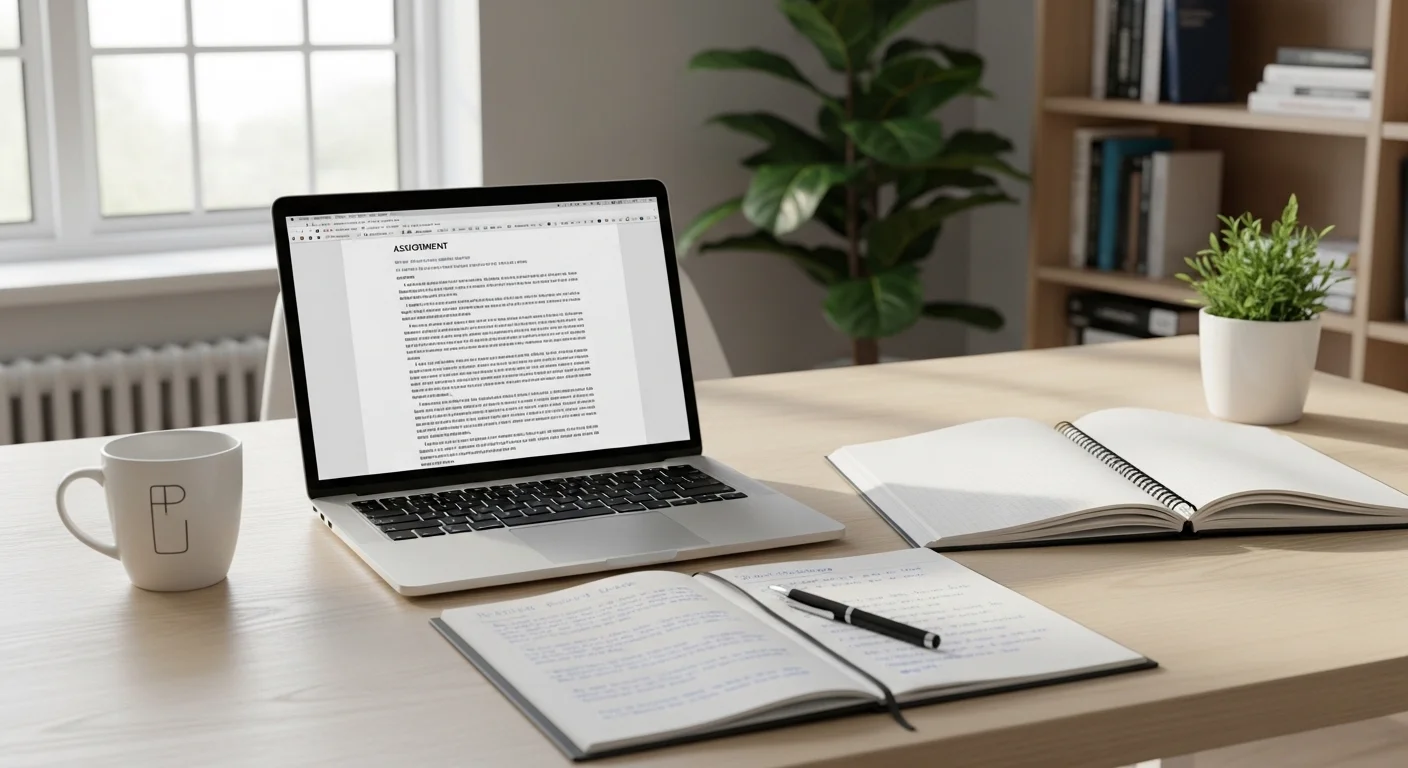
Your Discord PFP is often the first thing people notice. It serves as your digital face. When you choose an image that represents a “study-mode” persona, you are actually engaging in a psychological practice known as identity signaling. This tells your brain—and your peers—exactly what your current mission is. By aligning your digital identity with your academic goals, you create a mental framework that makes sitting down to work feel much more natural.
The Power of Environmental Priming
Psychology tells us that our surroundings influence our behavior. This is called priming. In the physical world, this might mean clearing your desk or putting on a specific pair of noise-canceling headphones. In the digital world, your PFP acts as a constant visual cue. When you see that organized, aesthetic image next to your username every time you check a notification, it reinforces the idea that you are a focused individual.
This sense of belonging to a “productive” community is vital. Discord study servers have exploded in popularity because they provide a virtual library atmosphere. When everyone in a voice channel has a PFP that reflects a calm, academic vibe, it builds a collective energy. This social proof makes you less likely to wander off to watch random videos. You feel a quiet accountability to the group, which helps you stay in the flow state longer.
Why Aesthetics Matter for Mental Clarity
The human brain naturally gravitates toward symmetry and pleasant color palettes. This is why “aesthetic” content is so effective. High-stress environments often lead to burnout, but a “soft” academic aesthetic—think muted browns, forest greens, and warm gold tones—can actually lower cortisol levels. By surrounding yourself with these visuals, you transform a daunting task into a more manageable experience.
However, even with the perfect digital setup, the workload can become overwhelming. When the pressure of a looming deadline outweighs the benefits of a curated environment, professional support becomes a necessity. This is where a skilled assignment writer can step in to provide the extra hands needed to maintain that balance. Having an expert manage the heavy lifting of a complex project allows you to stay focused on the bigger picture of your education without losing your peace of mind.
Identity Theory and the Digital Self
Who are you when you are online? According to identity theory, we have multiple versions of ourselves. There is the social self, the professional self, and the private self. A study-themed PFP helps merge these identities. It allows you to be “social” on Discord while remaining “professional” in your intent. This reduces the friction between wanting to talk to friends and needing to finish a term paper.
If you are diving deeper into how these digital personas affect human behavior, you might find yourself needing specific psychology assignment help to grasp the finer points of behavioral science. Understanding the nuances of how we perceive ourselves through a screen is a massive field of study, and getting the right guidance can make these complex theories much easier to digest for your own coursework.
Escaping the Trap of “Productivity Theater”
There is a fine line between being productive and just looking productive. This is often called “productivity theater.” You spend three hours picking the perfect Discord banner, finding the right lofi playlist, and color-coding your digital planner, but you haven’t actually written a single word. To avoid this, use your aesthetic as a starting gun, not the race itself.
Set a rule: you only get to update your Discord “status” or PFP once your first 500 words are finished. This turns your digital aesthetic into a reward rather than a distraction. The goal is to use these tools to build a bridge to your work, not a wall that keeps you from it. When your digital space feels organized, your mind often follows suit, leading to a more efficient and less stressful study session.
The Role of Color Psychology in Focus
The colors in your chosen PFP can impact your mood more than you realize. Blue tones are frequently associated with logic and calm, making them great for heavy math or science sessions. Green is linked to growth and balance, which helps during long nights of reading. Yellow can spark creativity but might be too distracting for intense focus.
By intentionally selecting these colors for your digital presence, you are essentially “hacking” your mood. It’s a form of self-regulation. When you feel in control of your digital environment, you feel more in control of your academic destiny. It turns the act of studying from a chore into a lifestyle choice that you can take pride in.
Building a Long-Term Study Habit
Ultimately, your Discord PFP is just one small piece of a much larger puzzle. Real productivity comes from consistency. The “study-aesthetic” movement is successful because it makes the mundane parts of student life feel beautiful. It gives you a reason to show up every day. Whether it’s through a shared Discord group or a curated Pinterest board, finding beauty in the grind is a powerful way to stay motivated until graduation day.
Read: Hot Anime Girl PFP: Aesthetic
Read: Dandy PFP: Unique, Cute, Cool
Read: Sprout PFP: Fresh, Unique, Cool
Read: Tuff PFP: Unique, Cool, Cute
Conclusion
In short, your Discord PFP is more than just a cool image; it is a mental trigger that sets the tone for your work. By embracing a “study-aesthetic,” you align your digital identity with your academic goals, making focus feel less like a chore and more like a lifestyle. When you balance a curated environment with the right support, you turn digital distractions into powerful tools for success.